iOS vs Android Development: A Comprehensive Comparison for Decision-Makers
Compare iOS vs Android app development costs, tools, and user reach. Learn Swift, Xcode, UI/UX, and App Store factors to choose the right mobile platform.

Share This Article
Introduction
In the ever-evolving landscape of mobile app development, choosing the right platform can feel like a make-or-break decision. Let’s face it: the "iOS vs Android development" dilemma is one that businesses have been grappling with for years. So, how do you figure out which is better for your business needs—without losing sleep?
This detailed comparison will guide you through the pros and cons of each platform, tackling tools like Swift programming and Xcode for iOS, alongside Android’s Java and Kotlin. We’ll dive into factors like development costs, UI/UX design, and even App Store vs Google Play deployment. By the end, you’ll have a clear path forward.
What is iOS vs Android Development?
In brief, iOS development is merely app development for Apple devices only like iPhones and iPads, in programming languages like Swift and Objective-C using tools like Xcode. Android development, on the other hand, supports many different devices (Samsung, Google Pixel, etc.) and is based on programming languages like Java and Kotlin and Android Studio is its primary toolbox.
Key Differences at a Glance:
- Programming Languages: Swift (iOS) and Java/Kotlin (Android)
- Development Tools: Xcode (iOS) vs Android Studio (Android)
- Hardware Scope: iOS apps are architected to run on Apple devices only, while Android apps are compatible on a wide range of devices and therefore the risk of issues because of fragmentation.
Pro Tip: Check out how SwiftUI streamlines iOS UI/UX design with BhumikaiOS.
Why Choosing the Right Platform Matters
Your platform choice isn't really about your app—it's about your business outcome. Here's why it matters:
Impact on Business Goals
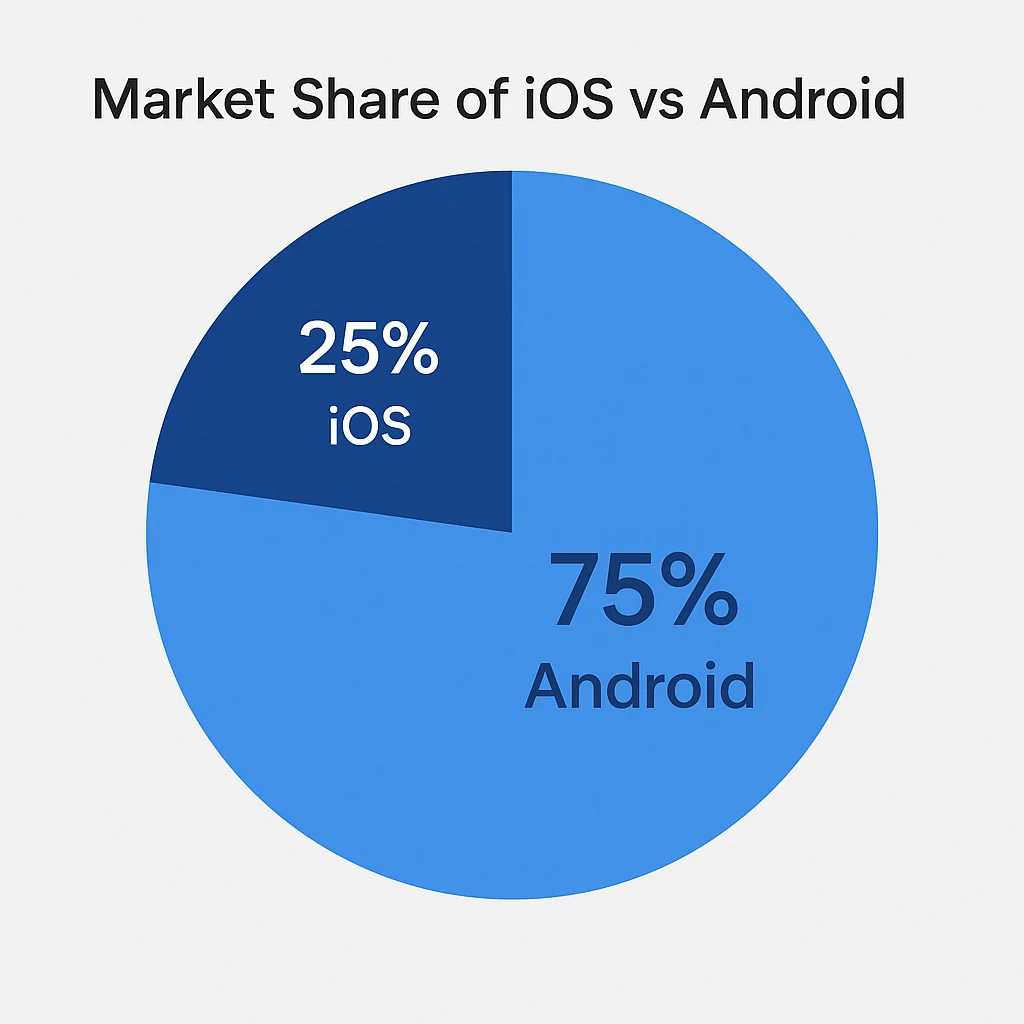
- Audience Reach: Does it need mass global adoption? Android's broad marketplace reach may be your solution. Looking for more revenue and high-end customers? iOS dominates that space.
- Time-to-market: iOS apps are simpler to develop and roll out when supporting homogenous device needs.
- Revenue Potential: iOS users will pay higher for an application, though Android is utilized by more people.
Long-term Considerations
- Utilizing the wrong platform will add to the cost of long-term support.
- Having your application on the right platform enables easier updates and market reactivity.
Did You Know?: Apple’s stringent App Store deployment process actually works in your favor, enhancing app security and quality.
How to Decide Between iOS and Android
Struggling to choose? Let’s break it down:
Analyzing Your Business Needs
- Market Demographics: Are you targeting an enterprise audience in North America or Europe? iOS tends to dominate these regions. For emerging markets like India, Android wins big.
- Budget: iOS app development costs tend to be higher, but users deliver better spending power.
Testing Before Committing
- Collaborate with developers for an MVP (Minimum Viable Product) to test interest.
- Conduct user feedback sessions on both platforms.

Benefits of iOS Development
So, why should you opt for iOS over Android? Here are some compelling reasons:
Performance-Driven Excellence
- iOS apps are optimized for better performance thanks to Apple’s seamless hardware/software integration.
- Fewer device variations mean better control over UI/UX design.
Revenue Potential and Ecosystem Integration
- Apps on the Apple App Store generate more revenue on average compared to Google Play.
- The Apple ecosystem (iPhone + iPad + Apple Watch) creates loyal, cross-device users—ideal for apps focused on business or productivity.
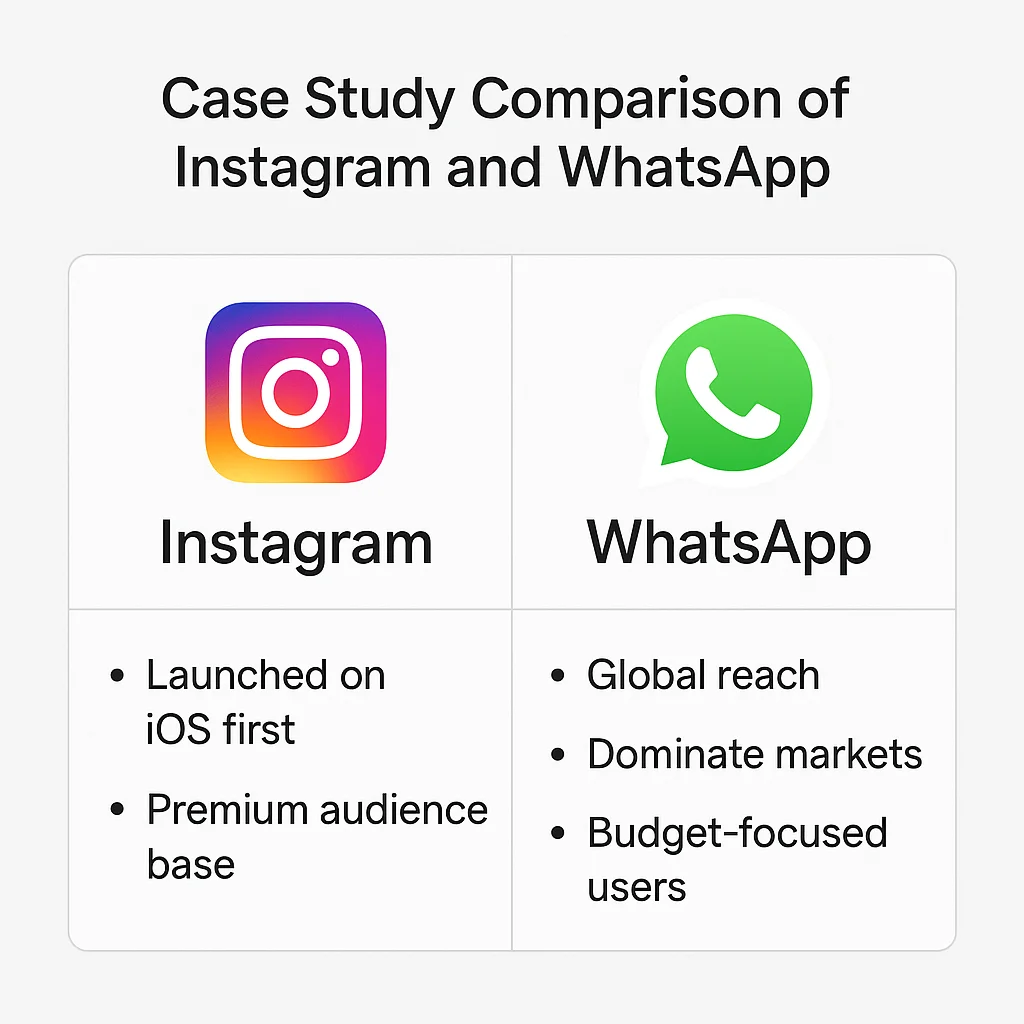
Quick Fact: Instagram launched first on iOS because of its premium audience base and better design tools.
Challenges in Developing for iOS
No platform is perfect—here’s what you should know about iOS:
High Costs
The upfront iOS app development cost can be higher due to licensing, tools, and developer salaries.
Stringent Deployment Process
Apple’s App Store guidelines are stricter, requiring rigorous testing and approval stages.
Fragmentation (Sort of)
Even with fewer devices, maintaining compatibility with older iPhones and iOS versions can be tricky.
| Challenges | iOS | Android |
|---|---|---|
| Development Cost | $$$ | $$ |
| Deployment Process | More Stringent | More Relaxed |
| Device Fragmentation | Moderate (Older iPhones) | High (Hundreds of Devices) |
Real-world Examples of Successful iOS vs Android Apps
Success stories tell the real tale. Let’s explore:
Instagram: A Case for iOS First
Before expanding to Android, Instagram thrived as an iOS exclusive, leveraging Apple’s design-centric framework and high-spending user base.
Android Innovation: WhatsApp
In contrast, WhatsApp capitalized on Android’s global reach to dominate markets with budget-focused smartphone users.
Tip: Planning iOS development first? Start with BhumikaiOS’s SwiftUI-based UI/UX design services today.
Essential Tools and Technologies
Your developers need the right tools. Here’s the rundown:
iOS Developer Essentials
- Xcode: A robust IDE for coding, debugging, and UI/UX layout.
- Swift Programming: Apple’s clean and efficient language for modern iOS apps.
- Core ML Features: For apps harnessing AI or ML models.
Android Counterparts
- Android Studio: The go-to IDE for Android development.
- Kotlin & Java: Versatile scripting languages for Android apps.
Emerging Trends in iOS and Android Development
No future-proof strategy is complete without trends:
What’s Next in Mobile Development?
- AR/VR Experiences: Apple’s Vision Pro and Android’s ARCore are game-changers.
- AI-Powered Apps: From personalization to automation, AI is reshaping mobile UX.
- Cross-Platform Tools: Watch out for Flutter and React Native as they thrive.
Stay innovative. BhumikaiOS offers AI integration seamlessly tailored into iOS apps.
Best Practices for Development on Both Platforms
Whether it’s iOS or Android, following best practices ensures success:
- UI/UX First: Design should always prioritize simplicity and performance.
- Robust Testing: Frequent testing reduces bugs during App Store or Google Play reviews.
- Optimization: Ensure your app is lightweight and fast on all supported devices.
Conclusion
To wrap it up, the "iOS vs Android development" decision really hinges on your business goals, audience, and resources. If you prioritize premium users, better ROI, and seamless ecosystem integration, iOS might be your best bet. Meanwhile, Android shines when aiming for wider audience reach on a budget.
Still undecided? Let BhumikaiOS guide you through every step of the iOS development process with our tailored services. Get in touch now!
Tagline Reminder: Learn Swift. Build iOS. Innovate with BhumikaiOS.

Author Info
Bhumika Patel
Senior iOS Developer & Educator
Bhumika Patel is a senior iOS developer with over 4+ years of experience building successful applications for companies like Apple and Google.
Frequently Asked Questions
Find answers to common questions about the topic.
iOS development uses programming languages like Swift and Objective-C and is exclusive to Apple's ecosystem, while Android development typically uses Java or Kotlin and is more open, working with a variety of devices.
Choosing the right platform impacts costs, development time, audience reach, and potential monetization. It ensures your app aligns with your business goals and user needs.
Consider factors like target audience demographics, budget, desired app features, and monetization strategy to decide which platform will best meet your business goals.
iOS apps often benefit from higher revenue potential, a loyal user base, and streamlined development within the Apple ecosystem, supported by robust tools like Xcode.
Developing for iOS can involve navigating strict App Store regulations, ensuring compatibility with different iOS versions, and understanding the nuances of Swift and Objective-C.
Related Articles
Continue your iOS development journey with these related articles.